Embark on a magnificent 7-day journey through the heart of Tamil Nadu, a land where history is etched in stone and every monument tells a tale of power, art, and devotion. This tour is a deep dive into the extraordinary architectural legacy of the Nayaka dynasty, who ruled parts of South India from the 16th to the 18th centuries under the shadow of the mighty Vijayanagar Empire. Their patronage transformed the landscape, creating a distinct style that blended the grandeur of the imperial court with the intricate spirituality of local traditions.
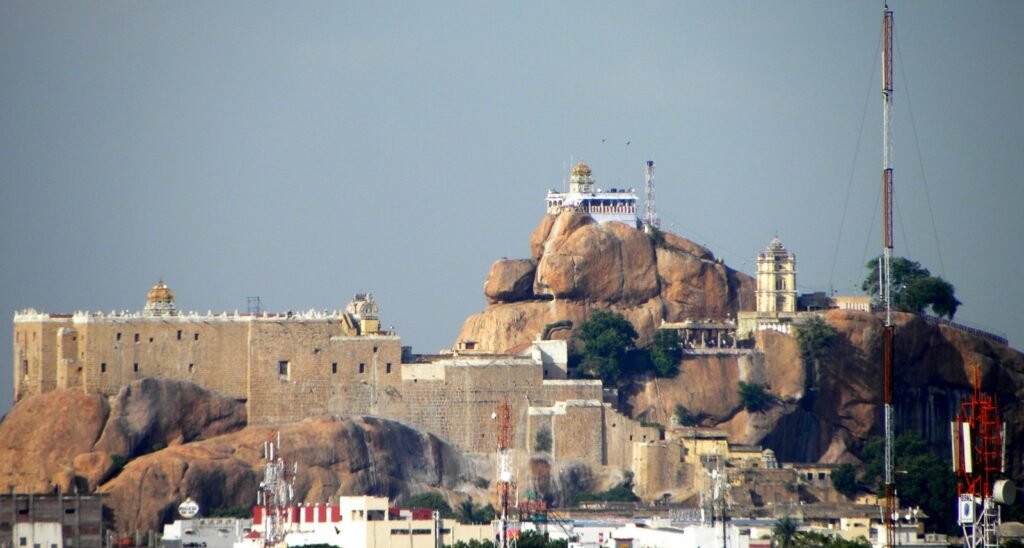
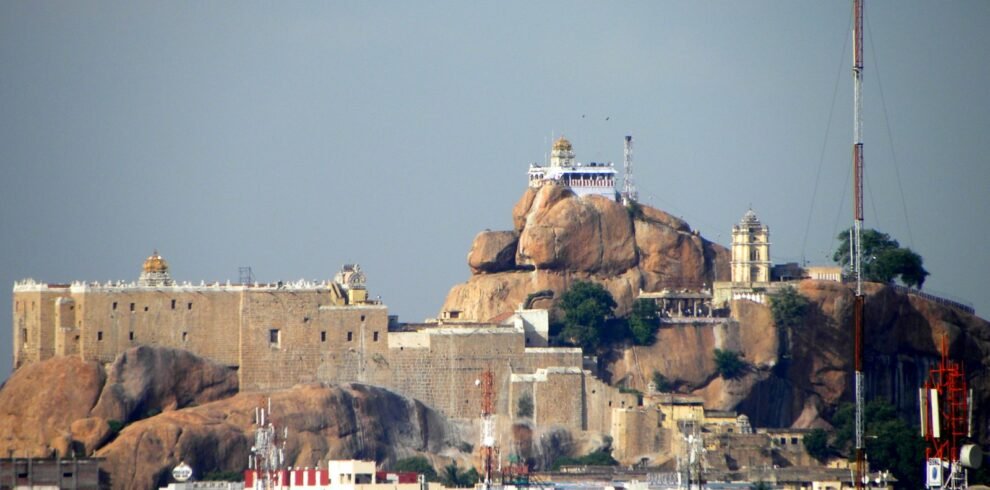
Our adventure begins at the formidable Gingee Fort, a symbol of Nayaka resistance and ingenuity. Here, we’ll traverse its three fortified hills and explore the royal enclosures, a rare glimpse into their civil engineering and military prowess. We then journey to Trichy, where the iconic Rockfort stands as a testament to their strategic vision, offering panoramic views from its ancient summit.
The tour’s highlight lies in the majestic cities of Thanjavur and Madurai. In Thanjavur, we’ll explore the sprawling Nayaka Palace, a labyrinth of ornate halls, observation towers, and courtyards that reveal the opulent lifestyle of its rulers. In Madurai, we’ll stand in awe of the Meenakshi Amman Temple, the undisputed pinnacle of Nayaka architecture. Its towering, colorfully sculpted gopurams (monumental gateways) and the iconic Hall of a Thousand Pillars are an artistic and spiritual marvel.
From there, we travel south to Tirunelveli, where we explore the Nellaiappar Temple, which showcases the Nayaka’s additions to an ancient temple, followed by a visit to the coastal Tiruchendur Temple. Our final major destination is Rameswaram, home to the Ramanathaswamy Temple and its legendary, mile-long pillared corridors, an architectural feat of immense scale and devotion.
For Architecture Students
This tour will allow you to analyze the structural and material innovations of the Nayaka period. Look for:
- Engineering and Fortification: At Gingee Fort, study the integration of natural hill formations with man-made fortifications. Analyze the strategic placement of watchtowers, the design of the granaries, and the water management systems within the fort complex. This is an excellent case study of military architecture.
- Temple Layout and Evolution: Observe the shift from the compact Chola temple plan (e.g., Brihadeeswarar Temple) to the sprawling, concentric layouts of the Nayaka temples. In Madurai’s Meenakshi Amman Temple, pay attention to the sequential addition of towering gopurams that guide the visitor inward, creating a monumental processional path.
- Pillared Mandapas: The Thousand Pillar Hall in Madurai and the extensive corridors of Ramanathaswamy Temple in Rameswaram are prime examples of Nayaka structural expertise. Study the use of monolithic pillars and the spatial experience they create.
- Civil Architecture: The Thirumalai Nayak Palace offers a rare glimpse into the residential and administrative architecture of the time. Analyze the Indo-Saracenic influences, such as the grand arches and domes, and how they are integrated with traditional Hindu design elements like the lotus motif.
- Material and Construction: Note the predominant use of granite and stone, and how it was carved with immense detail despite its hardness. The wooden structures and carvings at the Padmanabhapuram Palace provide a fascinating contrast, showcasing a different but equally sophisticated regional style.
Focus for Students of Art, History, and Design
The tour is a living museum of Nayaka and Vijayanagar art. Encourage students to analyze the following artistic elements:
- Sculptural Grandeur: The gopurams of the Meenakshi Amman Temple are a canvas of thousands of vibrant stucco sculptures. Study the iconography and narrative themes depicted on these monumental structures. Look for the dynamism in the figures, a key characteristic of Nayaka sculpture.
- Mural Paintings: At the Thanjavur Nayak Palace and the Brihadeeswarar Temple, search for the murals that depict scenes from Hindu epics and the lives of the royal patrons. Analyze the style, color palette, and techniques used.
- Artistic Patronage: Discuss how the Nayaka rulers used art as a form of political and religious legitimation. The sheer scale and opulence of the temples were a clear display of their power and devotion.
- Decorative Motifs: Identify recurring motifs such as the yali (a mythical lion-like creature), lotuses, peacocks, and various floral and geometric patterns. At the Nellaiappar Temple, observe the unique musical pillars, an integration of art and sound.
- Bronze Sculpture: The Thanjavur Art Gallery is home to one of the world’s finest collections of Chola and Nayaka bronze sculptures. While not strictly Nayaka, these pieces set a high artistic standard that influenced later periods. They are essential for understanding the artistic lineage.
This tour provides a holistic understanding of how these architectural and artistic traditions evolved, interacted, and ultimately culminated in some of the most spectacular monuments in South India.